
Last October, 17-year-old senior Larissa Rodriguez from Weslaco, Texas, died of cardiomyopathy, an enlarged heart, brought on by excessive consumption of caffeine. Her autopsy and toxicology reports showed no sign of drugs or alcohol in her system, and she had no history of a heart condition, as noted by her family. According to Today, Rodriguez had been drinking at least one Alani Nu a day months leading up to her death. Her story raises concerns about the energy drink industry and how they are increasingly being marketed towards young people as wellness products, despite the risks associated with their high caffeine content.
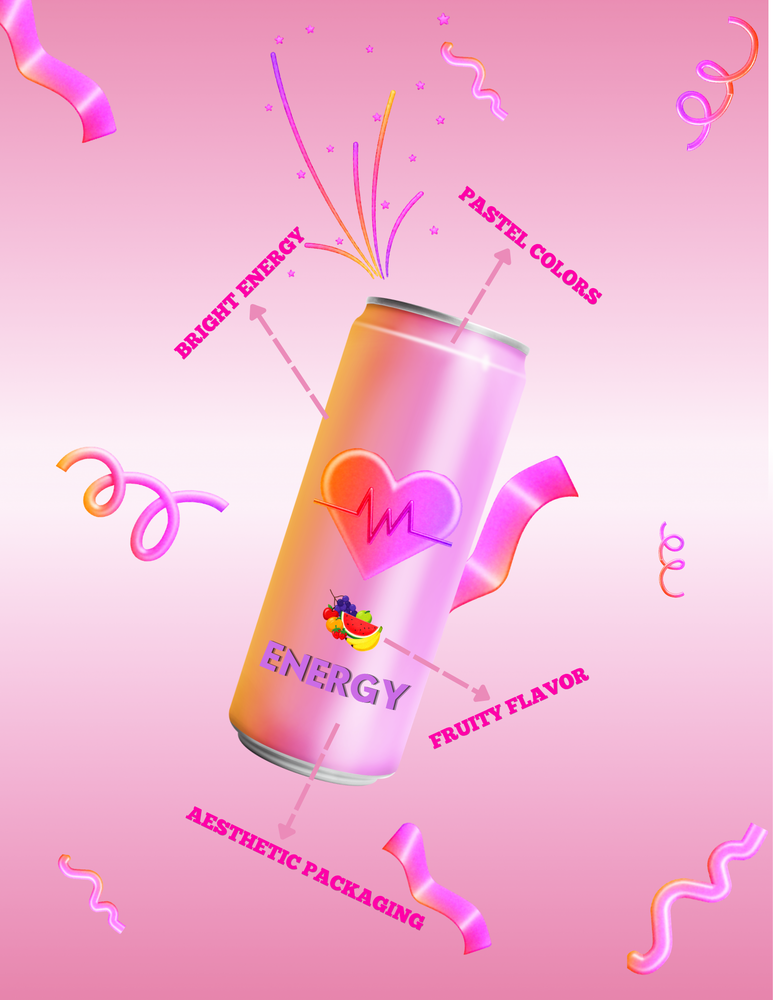
In the past, energy drinks were primarily marketed towards men. They started as a stimulant for blue-collar workers to get through grueling night shifts before the target moved toward the youth culture, especially extreme sports athletes. The branding mostly consisted of aggressive black cans and masculine-looking logos, like the neon-green claw rip logo for Monster, to appeal to the male demographic. Those brands associated themselves with high-octane adrenaline, raw impact and “alpha” sports. Men were the main targets of those marketing tactics, but today, the target has widened to include women, teens and fitness enthusiasts. The marketing has shifted from the aggressive black cans to a more pleasing aesthetic, pastel packaging and a variety of flavors to appeal to women and teens. They use aesthetics and “wellness product” labels to make a high-risk product feel safe, but pastel packaging doesn’t erase the fact that 200 milligrams of caffeine is still double the recommended amount of caffeine for teens.
Most energy drinks contain more caffeine than the recommended amount for teens, sometimes twice or triple the limit. According to the U.S. Food and Drug Association, the maximum safe limit of caffeine recommended for healthy adults is 400 mg, but for teens, the recommended amount is 100 mg per day. Energy drinks such as Rockstar and Monster contain 160 mg of caffeine. Alani Nu, Prime Energy and Celsius both have 200 mg of caffeine, while energy drinks such as C4 Ultimate, G Fuel and Bang contain up to 300 mg of caffeine per can. Excessive caffeine consumption is more serious than it seems.
It might have short-term effects at the moment, but the reality is that it causes a lot of health risks for teens, such as an increase in blood pressure and heart rate, insomnia, poor sleep quality and daytime fatigue. Most health groups advise teens to stay away from energy drinks entirely, not just because of the caffeine but also because they contain too much sugar. According to the American Academy of Pediatrics, energy drinks do not provide unique health benefits or safe, lasting energy for teenagers. The goal of drinking an energy drink is to feel energized and focused, but there’s no point in drinking it if it doesn’t supply actual sustainable energy like real food does.
In countries such as Canada, regulations set a hard legal limit of 180 mg of caffeine per single serving can. Because of this, Alani Nu, Celsius and Prime Energy, are restricted in Canada for exceeding the legal amount of caffeine concentration limits, triggering health warnings and import blocks.
Meanwhile in the U.S., there’s no hard limit on the amount of caffeine allowed in energy drinks. The FDA strictly limits added caffeine in cola-type conventional soft drinks, but this limit doesn’t apply to energy drinks. Though many energy drinks manufacturers used to bypass this by classifying their products as dietary supplements rather than conventional foods, many modern brands now classify themselves as conventional beverages. They bypass this rule simply because the FDA does not enforce a legal limit of caffeine beverages marketed towards general consumers. In addition to this, while massive public and legal pressure has forced most brands to voluntarily print their exact milligram amount on the can, federal law still does not legally require companies to quantify caffeine if it naturally comes from ingredients such as guarana or green tea extract. These weak enforcements make it possible for teens to ignore the physical risks, which can lead to them consuming toxic levels of caffeine without being fully aware of it.
Energy drinks might seem like the best options for teens when they need to focus or a boost of energy, but there are better alternatives that are safe for teens and have actual health benefits. Other alternatives include low-caffeine green tea or caffeine-free coconut water for steady energy, real fruit smoothies for natural nutrients and plain or fruit-infused water for hydration. All these options can sustain teens better throughout the day. There’s nothing worth risking your heart health for when better and safer alternatives exist.